
Tankless vs. Hybrid: Tech for Water Heater Replacement
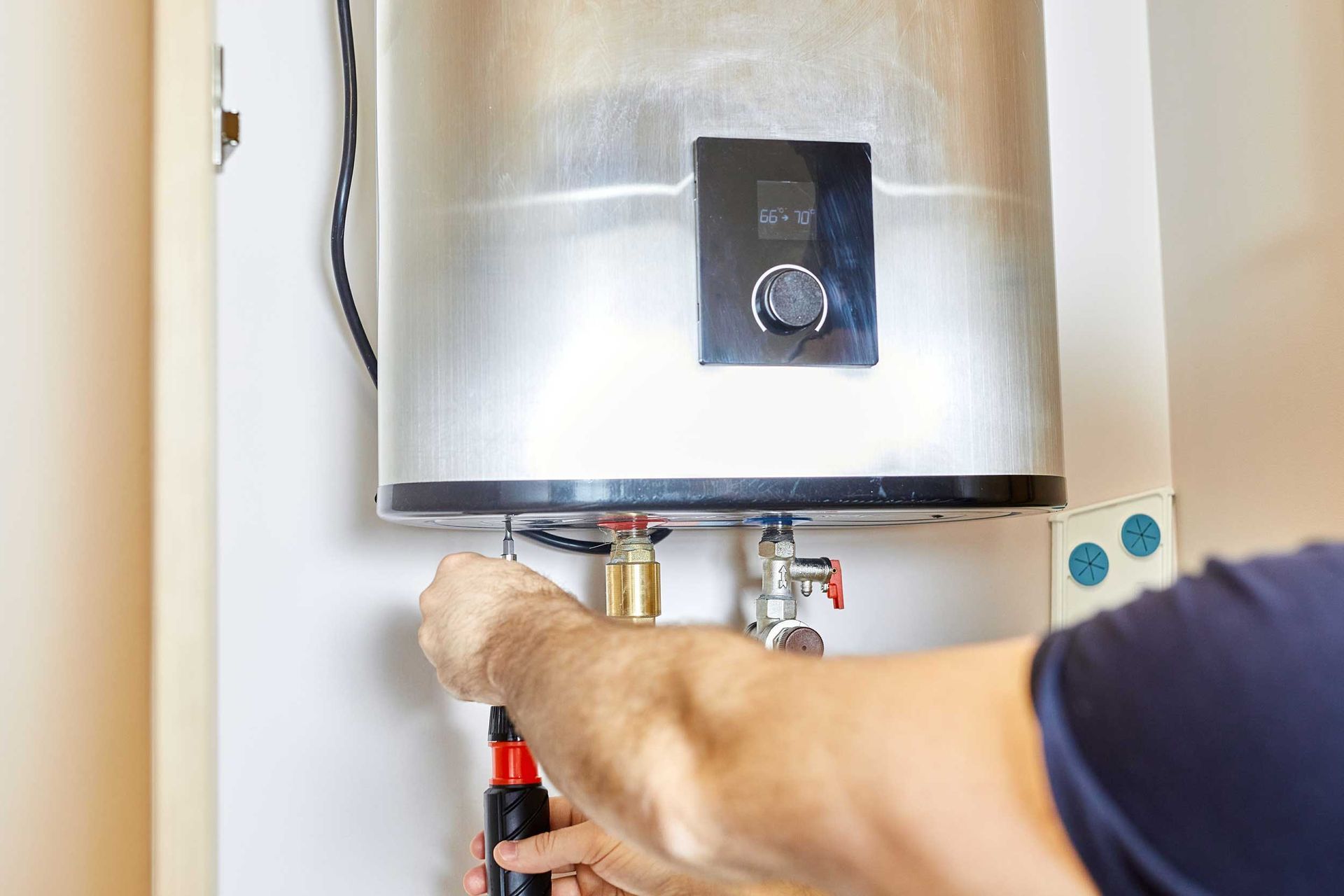
When it comes to water heater replacement in South Bend, IN, homeowners face the challenge of choosing between innovative technologies that promise energy savings, convenience, and space efficiency. At Tyler’s Plumbing Heating & Cooling, we understand this decision can feel overwhelming. Are hybrid (heat pump) water heaters better for South Bend basements? Or are tankless models the right fit for your household needs? This article dives deep into the pros and cons of tankless versus hybrid water heaters, helping you attract, interest, and guide your choice for your next water heater replacement.
Understanding Your Water Heater Replacement Options
Water heater replacement in South Bend, IN, means evaluating factors like household hot water demand, installation space, energy efficiency, and local code requirements. Two leading technologies available today are tankless water heaters and hybrid (heat pump) water heaters. Each comes with unique features suited to different home environments.
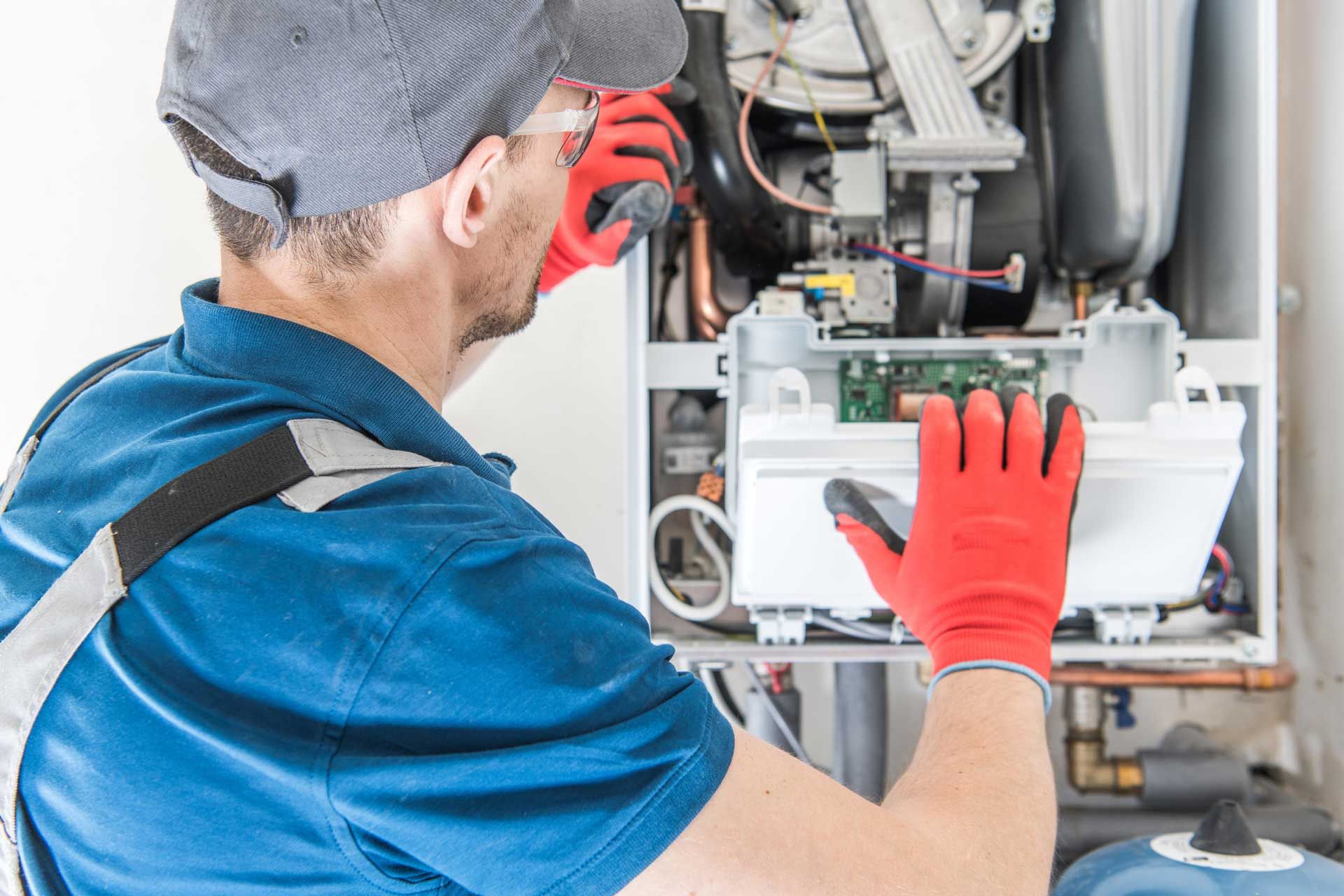
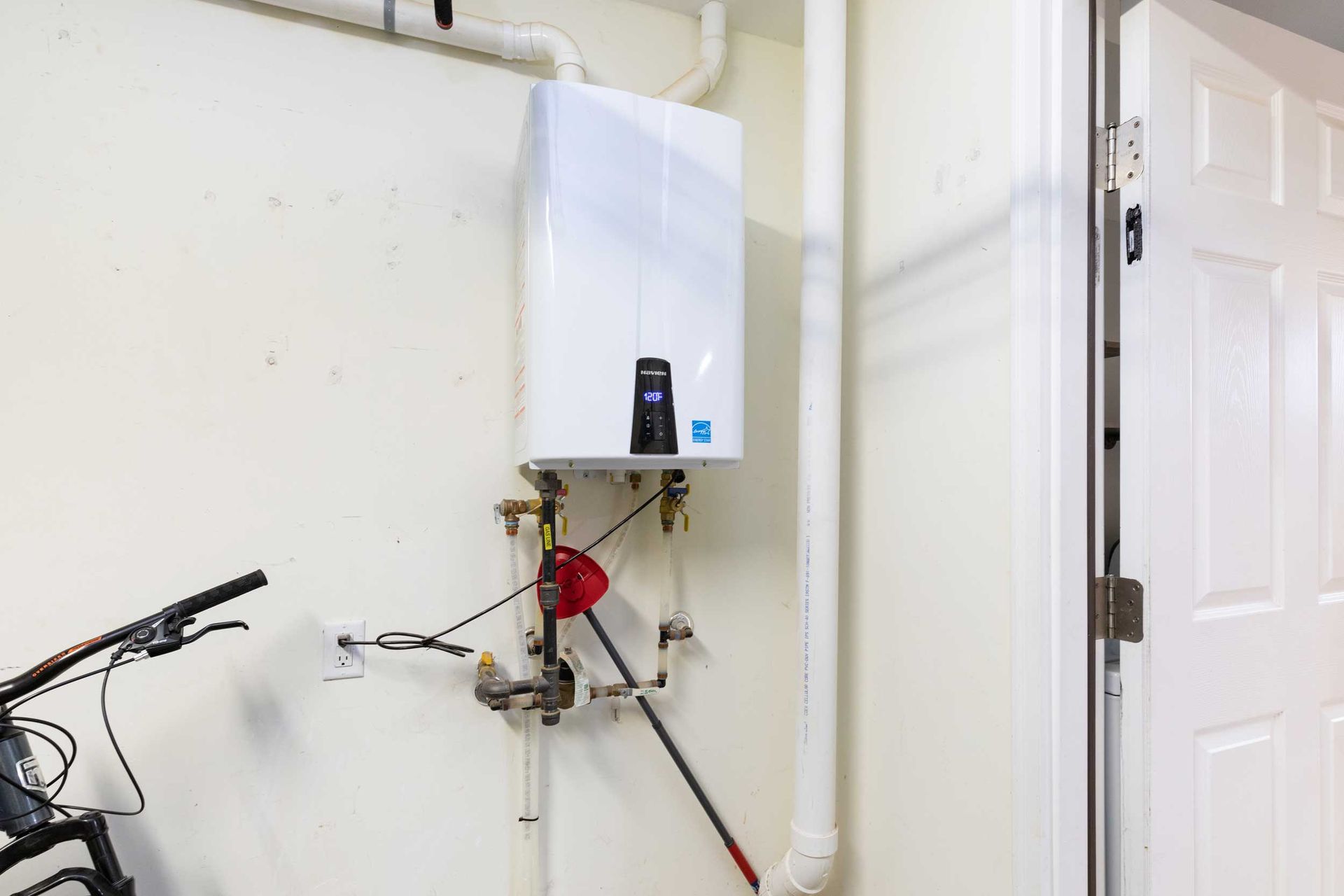
Tankless water heaters provide hot water on demand without storing it. They are compact and energy-efficient for high-demand homes and reduce the risk of standing water and energy waste. Hybrid water heaters combine heat-pump technology with a traditional tank, boasting excellent efficiency and the ability to dehumidify basement spaces, a vital perk for South Bend’s humid climate.
Tankless or Hybrid? Which Water Heater Is Better for Indiana?
If you’re wondering: is a tankless or hybrid water heater better for Indiana? The answer depends largely on your household’s water use and your home’s layout. For South Bend homeowners, hybrid heat pump water heaters are superior for basement installations because they not only supply hot water efficiently but also naturally dehumidify the space, reducing moisture-related issues common in our area’s basements. This makes hybrid models ideal for homeowners looking to improve indoor air quality and reduce energy costs over time.
On the other hand, tankless water heaters excel in homes with high hot water demand but limited space. Their compact size allows installation in tight areas without the need for a bulky tank, making them perfect for smaller homes or those seeking to maximize living space. Additionally, tankless systems offer an endless hot water supply, which is great for large families or homes with simultaneous water use.
Venting Reality: Navigating South Bend Building Codes for 2026
Before making a final decision for your water heater replacement in South Bend, IN, it’s crucial to understand local building codes, particularly the venting requirements that will take effect in 2026. For high-efficiency gas units, South Bend’s codes often require specific PVC power venting systems instead of traditional venting. This means that if you opt for a gas-powered tankless or hybrid water heater, the installation footprint in your basement or utility closet may need to accommodate new venting configurations, possibly affecting your overall project cost and space planning.
These venting requirements underscore the importance of professional consultation when selecting and installing your next water heater. Ensuring compliance will help prevent costly delays and make certain your new system operates safely and efficiently.
Energy Efficiency and Cost Considerations in Water Heater Replacement
Both tankless and hybrid water heaters bring energy-efficient benefits, but their cost profiles and operational savings vary. Hybrid heat pump water heaters generally have higher upfront costs but deliver significant energy savings by drawing ambient heat from the environment. Their ability to dehumidify basements also indirectly contributes to lower cooling costs in the summer months.
Tankless water heaters may have a lower installation footprint and can reduce energy consumption by eliminating standby heat losses associated with tanks. However, their efficiency depends on fuel type (electric or gas) and household usage patterns.
When planning your water heater replacement in South Bend, IN, it’s wise to factor in your long-term energy savings alongside the initial investment. Rebates or incentives may also be available for certain models, making green technology more affordable.
Installation and Maintenance: What to Expect
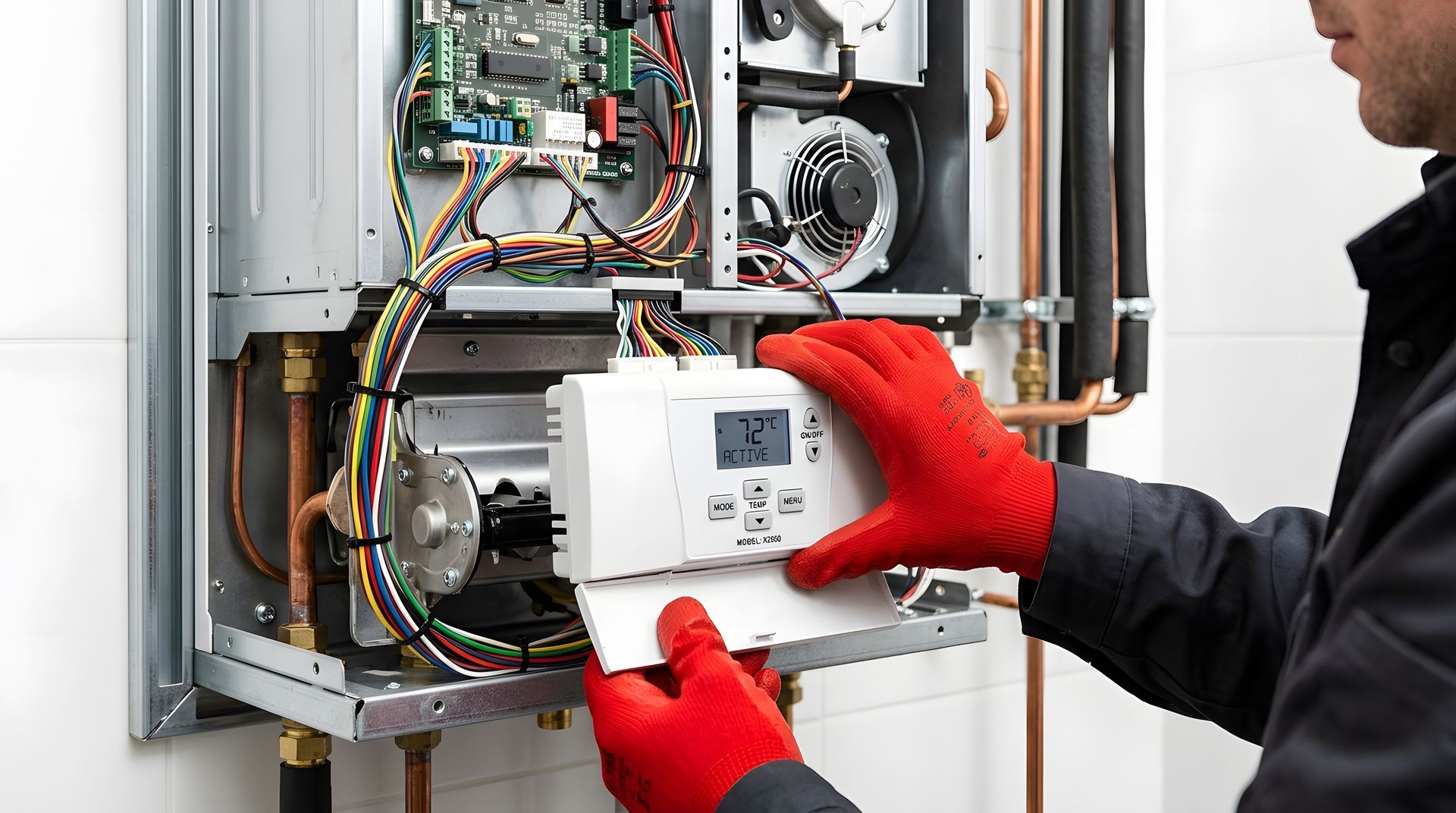
Installation of either tankless or hybrid water heaters requires specialized knowledge, particularly with evolving South Bend codes. Hybrid heat pump models generally require space that can accommodate both tank volume and sufficient airflow for heat exchange. Tankless units require proper venting and may involve plumbing adjustments to ensure adequate flow rates.
Maintenance needs differ as well: hybrid water heaters benefit from regular air filter cleaning to maintain efficiency, while tankless systems require occasional flushing to prevent mineral buildup, especially in areas with hard water.
Professional installers like Tyler’s Plumbing Heating & Cooling can guide you through these details, making your water heater replacement in South Bend, IN, a hassle-free experience.
Ready to Make the Switch?
Don’t let uncertainty slow your water heater replacement. With the evolving venting code realities and technology innovations, partnering with a trusted local expert ensures you get the system that fits your lifestyle, budget, and home environment perfectly. If you’re ready to upgrade your water heater,
contact Tyler’s Plumbing Heating & Cooling today and schedule your expert consultation for water heater replacement in South Bend, IN. Let us help you find the ideal system to keep your household comfortable and efficient all year round!